


A ceiling fan is an essential appliance in many homes, providing better air circulation and helping to reduce reliance on air conditioning. Like any electrical appliance, however, it has a limited lifespan. As the years pass, the fan’s motor, bearings, and other components gradually wear out, affecting its performance and efficiency. Ignoring the warning signs of a failing ceiling fan may lead to higher electricity bills, costly repairs, or even safety hazards. By recognising when it is time to replace your ceiling fan, you can ensure your home remains comfortable, energy-efficient, and safe for everyone.
THE FAN WOBBLES OR SHAKES EXCESSIVELY
A properly installed ceiling fan should operate smoothly without significant movement. While a slight wobble can often be corrected by tightening screws or balancing the blades, continuous shaking usually indicates a more serious problem. Worn bearings, a damaged motor shaft, or loose internal components can all contribute to excessive vibration. Besides reducing the fan’s efficiency, severe wobbling can become a safety concern if parts become loose over time. Replacing the ceiling fan is often the safest and most reliable solution.
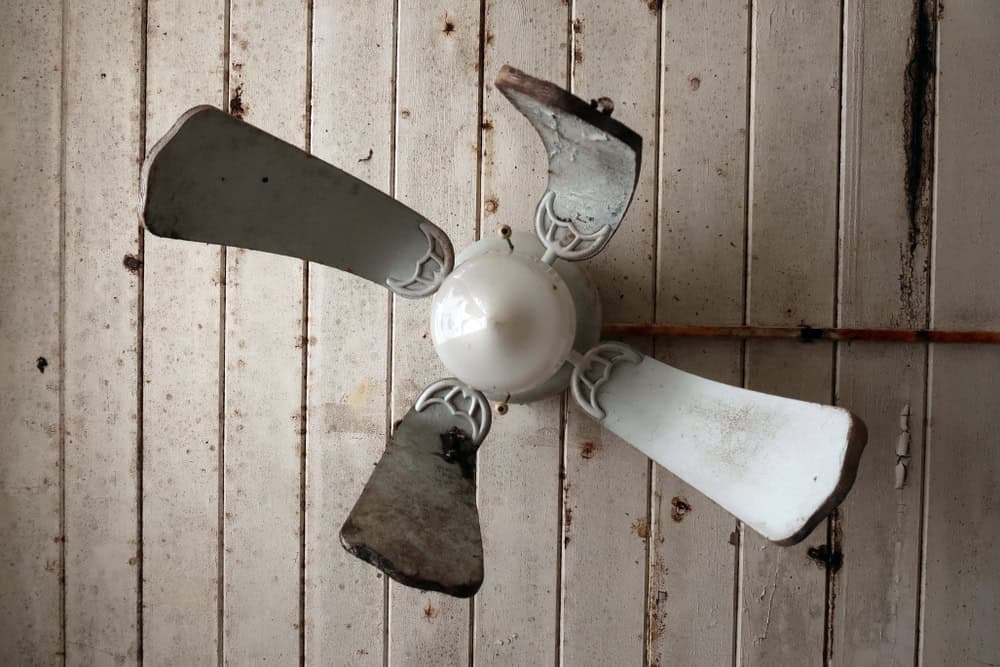
IT PRODUCES UNUSUAL NOISES OR WEAK AIRFLOW
Ceiling fans are designed to operate quietly while providing consistent airflow. If your fan starts making grinding, clicking, buzzing, or humming noises that persist even after cleaning and maintenance, the motor or internal components may be worn out. Likewise, if the airflow feels noticeably weaker despite the fan running at its highest speed, its performance has likely deteriorated. Rather than repeatedly paying for repairs, replacing the fan with a newer model can provide quieter operation, stronger airflow, and improved energy efficiency.
THE CEILING FAN IS MORE THAN 10–15 YEARS OLD
Most quality ceiling fans can last between 10 and 15 years when properly maintained. However, older models become less efficient as their internal components wear down. They also lack many of the modern features available today, including energy-saving DC motors, integrated LED lighting, remote controls, and smart home compatibility. If your ceiling fan has been in service for over a decade and frequently requires repairs, replacing it with a modern model is a worthwhile investment that improves comfort while lowering electricity consumption.
:max_bytes(150000):strip_icc()/GettyImages-2063066151-f4ced2602f97434ea162a53f316523a9.jpg)
Replacing your ceiling fan at the right time helps maintain a safe, comfortable, and energy-efficient home. Persistent wobbling, unusual noises, poor airflow, and an age of more than 10 to 15 years are all clear signs that a replacement should be considered. Although routine maintenance can extend a fan’s lifespan, there comes a point when replacing it is more cost-effective than repairing it. A new ceiling fan offers quieter performance, better airflow, improved energy efficiency, and greater peace of mind for years to come.