


Electrical trips are a common issue in many homes and can happen unexpectedly, causing inconvenience and concern. However, these trips are actually important safety mechanisms designed to protect both people and property from electrical hazards. When a circuit breaker or safety device cuts off power, it usually signals an underlying issue that needs attention. Understanding the causes of electrical trips and how to handle them properly can help prevent damage, reduce risks, and ensure a safer living environment.
OVERLOADED CIRCUITS
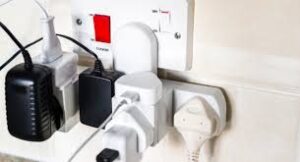
One of the most common causes of electrical trips is an overloaded circuit. This occurs when too many electrical devices are connected to a single circuit and used simultaneously, exceeding its capacity. Appliances such as kettles, irons, and microwaves consume high amounts of power, and using them together can strain the system. When this happens, the circuit breaker automatically trips to prevent overheating, which could otherwise lead to damaged wiring or even fire hazards.
SHORT CIRCUITS
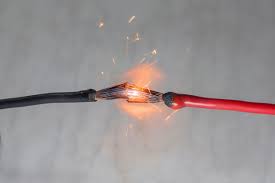
A short circuit happens when a live wire comes into contact with a neutral wire, causing a sudden surge of electrical current. This surge can be dangerous and may result in sparks or damage to the electrical system. Short circuits are often caused by faulty wiring, worn-out insulation, or damaged appliances. When detected, the breaker trips instantly to cut off the power supply and protect the household from potential electrical fires or further damage.
EARTH LEAKAGE AND MOISTURE ISSUES
Earth leakage occurs when electrical current escapes from its intended path and flows into the ground. This can happen due to damaged wires, faulty appliances, or exposure to water. Moisture in areas like kitchens, bathrooms, or outdoor spaces increases the risk of leakage. Safety devices such as residual current circuit breakers (RCCB) are designed to detect this imbalance and trip immediately, preventing electric shocks and ensuring user safety.
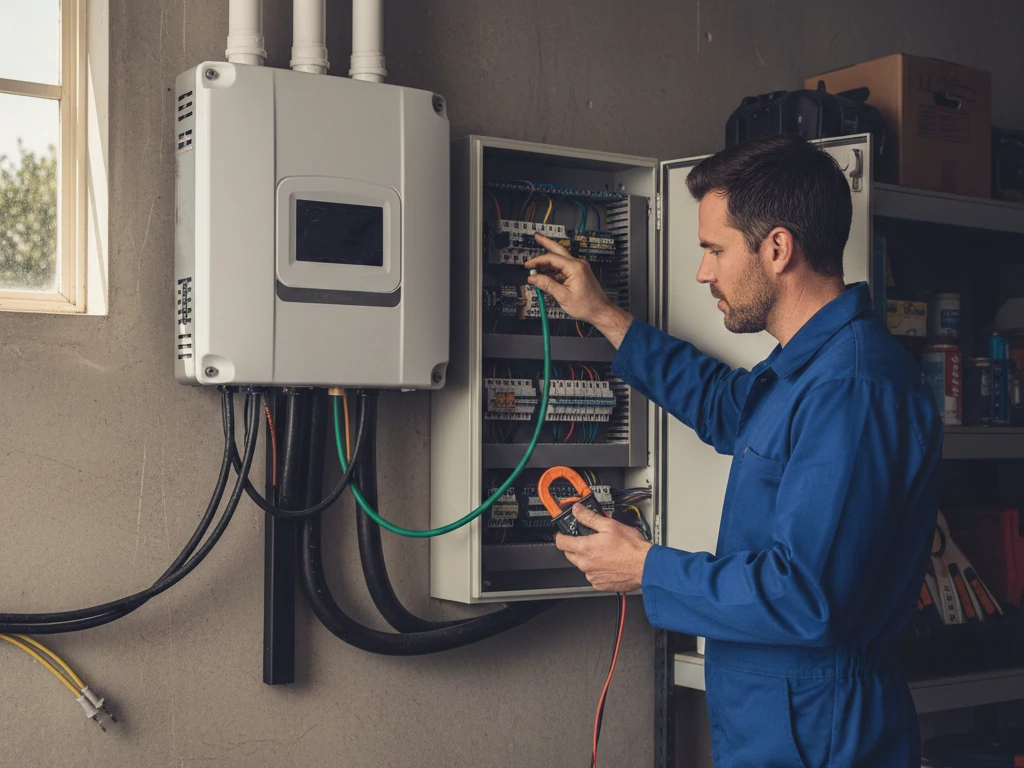
Electrical trips should not be ignored, as they are clear indicators of underlying electrical issues. While they may seem inconvenient, they play a vital role in protecting your home and its occupants. By understanding common causes such as overloaded circuits, short circuits, and earth leakage, you can take preventive measures and respond appropriately. Regular maintenance, careful use of appliances, and prompt attention to electrical faults will help keep your home safe and your electrical system functioning efficiently.